What Makes Skunks Choose Crawl Spaces for Denning
People seeking skunk removal often want to understand why skunks choose crawl spaces for denning, and local service providers can help safely eliminate these pests and prevent future issues.
If you’ve recently noticed skunks frequenting your property or suspect they might be nesting nearby, understanding what makes skunks choose crawl spaces for denning can be incredibly helpful. Many property owners in the area find that these hidden, undisturbed areas provide the perfect sanctuary for skunks to rest, raise their young, and stay safe from predators. Recognizing why skunks are drawn to crawl spaces can guide homeowners in identifying potential entry points and taking proactive steps to discourage future visits. For those dealing with ongoing skunk activity, local service providers experienced in skunk removal can assist in safely and effectively addressing the problem.
Exploring the reasons behind skunks’ preference for crawl spaces sheds light on how these animals seek out quiet, sheltered environments that offer protection and easy access to food sources. If your property has accessible crawl spaces, it’s understandable why skunks might see them as ideal denning spots. Fortunately, local contractors skilled in wildlife exclusion and removal services can help ensure that these areas are properly secured, reducing the likelihood of skunks returning. Keeping informed about what makes skunks choose crawl spaces for denning can empower property owners to take practical steps toward safeguarding their homes and maintaining peace of mind.
- Skunk Removal Services - homeowners noticing skunks under their homes may need professional removal, with local contractors assessing entry points and safely relocating animals.
- Crawl Space Inspection - property owners concerned about skunk activity in their crawl spaces can rely on local service providers to identify potential denning sites and entry points.
- Wildlife Exclusion Services - those experiencing repeated skunk visits often seek exclusion work, where local pros seal off access points and prevent future encroachments.
- Odor Control Solutions - individuals dealing with persistent skunk odors in their crawl spaces can contact local specialists to remove odors and address underlying issues.
- Damage Repair Services - after skunks have nested, property owners may need repairs to damaged insulation or structural components, with local contractors restoring the affected areas.

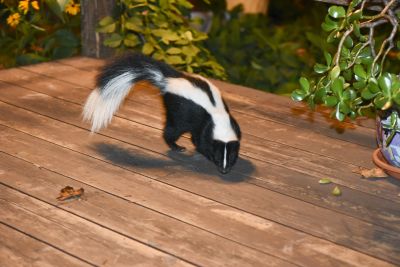
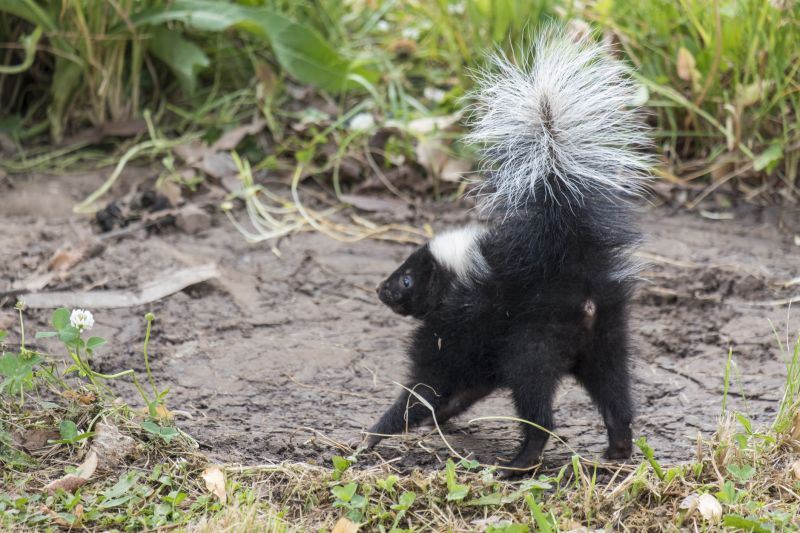
Understanding why skunks choose crawl spaces for denning is a common concern among homeowners dealing with unwanted wildlife. When people search for this topic, they often want to know what attracts skunks to these hidden parts of their property and how to prevent or address the issue. The focus is usually on identifying the specific conditions that make crawl spaces appealing to skunks, such as shelter, safety, and easy access to food sources. Homeowners may also be interested in how to recognize signs of skunk activity and what steps can be taken to protect their homes from future invasions.
The problems associated with skunks nesting in crawl spaces often involve damage to property and potential health risks. Skunks can cause structural issues by burrowing or scratching at the foundation, and their presence may lead to unpleasant odors or the spread of parasites. For property owners planning to eliminate or prevent these issues, understanding what makes crawl spaces attractive helps in designing effective exclusion strategies. Local service providers who specialize in skunk removal can assess these specific factors and recommend appropriate measures to keep skunks out, ensuring that the property remains safe and secure.
Typically, properties that are most vulnerable to skunk denning include homes with accessible crawl spaces that are easy to enter and provide a dark, undisturbed environment. These spaces are often located in areas with minimal foot traffic or disturbance, making them ideal for skunks seeking shelter. Rural homes, properties near wooded areas, and those with poorly sealed or vented crawl spaces tend to be more prone to skunk activity. Recognizing these property types and understanding what makes crawl spaces attractive can help homeowners work with local contractors to implement targeted exclusion and removal strategies, reducing the risk of recurring issues.
The factors that make crawl spaces appealing to skunks are closely linked to their instinctual behavior and environmental preferences. Skunks seek out secluded, protected areas that offer safety from predators and harsh weather conditions. A crawl space that is dark, quiet, and has easy access points naturally draws these animals. Additionally, if a property has nearby food sources such as trash, pet food, or insect populations, skunks are more likely to establish a den nearby. Local service providers experienced in skunk removal can evaluate these conditions and help homeowners implement effective exclusion techniques, ensuring that the property remains uninviting to these animals and their dens.
Home Inspection Services - professionals who assess crawl space conditions can identify factors that attract skunks, such as access points and shelter availability.
Pest Control Solutions - experts in wildlife removal understand how to safely and effectively deter skunks from crawl spaces and prevent future visits.
Animal Exclusion Services - specialists who seal entry points can help eliminate the openings that make crawl spaces appealing for skunks to den.
Crawl Space Encapsulation - contractors who improve crawl space barriers reduce access and create less inviting environments for skunks to settle in.
Wildlife Damage Repair - service providers who restore areas affected by skunk activity can address structural damages caused by burrowing or nesting.
Structural Inspection and Repair - experts who evaluate and reinforce foundations and vents help prevent skunks from establishing access points in crawl spaces.
When evaluating potential service providers for skunk removal, it is important to consider their experience with similar projects. Homeowners should look for local contractors who have a proven track record of handling wildlife issues, particularly those involving skunks in crawl spaces. An experienced professional will understand the common reasons why skunks choose crawl spaces for denning and will be familiar with effective removal and exclusion techniques. This familiarity can contribute to a more efficient process and help ensure that the problem is addressed thoroughly.
Clear written expectations are essential when comparing local pros for skunk removal services. Homeowners should seek providers who can offer detailed descriptions of the scope of work, including inspection procedures, removal methods, and follow-up measures. Having a transparent outline helps prevent misunderstandings and ensures that both parties agree on what will be done. It also provides a basis for evaluating whether the service provider’s approach aligns with the homeowner’s needs and concerns regarding skunk activity in crawl spaces.
Reputable references and good communication are key factors in selecting a reliable service provider. Homeowners are encouraged to ask for references or reviews from previous clients who experienced similar issues. Positive feedback can indicate a contractor’s ability to deliver quality work and maintain professionalism. Additionally, service providers who communicate clearly and promptly can help homeowners feel more confident throughout the process, from initial consultation to completion. Good communication also ensures that expectations are managed effectively, reducing the likelihood of surprises or misunderstandings regarding the skunk removal process.
Property owners often search for what makes skunks choose crawl spaces for denning when they are planning practical projects around their homes and businesses. Local pros provide Skunk Removal services for everyday jobs and straightforward project options.
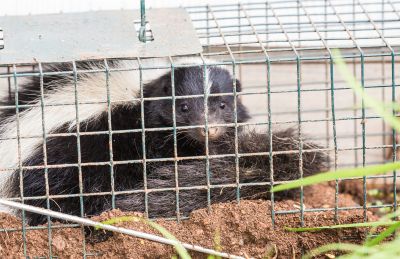
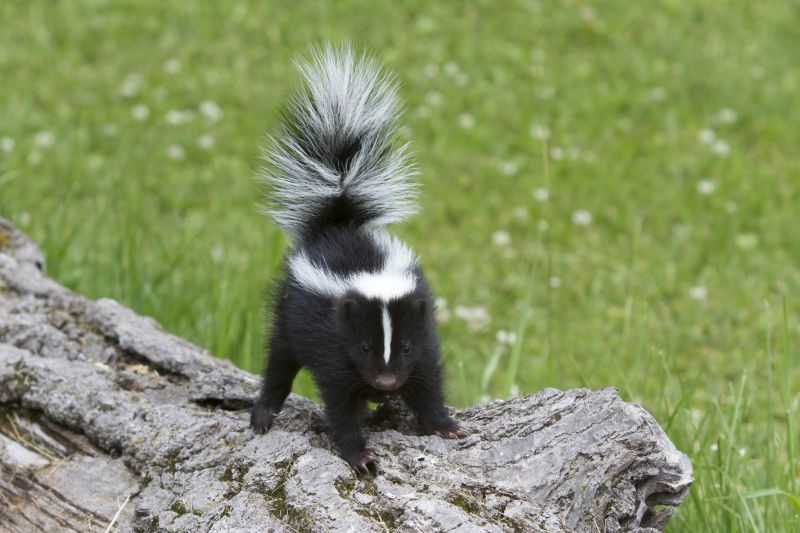
Skunks often choose crawl spaces for denning because these areas provide a quiet, hidden refuge close to their food sources and water supply. Property owners in the area might notice signs such as foul odors, disturbed insulation, or small holes in the foundation, which can indicate skunk activity. Since crawl spaces are typically dark, undisturbed, and easy for skunks to access, they become a natural choice for these animals seeking a safe place to rest and raise their young. When noticing such signs, many people consider reaching out to local contractors who specialize in skunk removal to address the issue effectively and prevent further intrusion.
Understanding what makes skunks choose crawl spaces for denning can help property owners take preventative steps and seek appropriate removal services. Local service providers are experienced in safely and humanely removing skunks and sealing entry points to prevent future visits. If skunk activity is suspected, contacting local contractors who handle wildlife removal can ensure the problem is managed properly, helping to protect the home and maintain a clean, odor-free environment.
What features of crawl spaces attract skunks for denning? Skunks are drawn to crawl spaces that provide dark, undisturbed areas with easy access and shelter from predators and weather conditions.
How do skunks find crawl spaces to use as dens? Skunks often locate crawl spaces through scent trails or by noticing accessible entry points around a property’s foundation or vents.
Why do skunks prefer crawl spaces over other hiding spots? Crawl spaces offer a concealed, protected environment that minimizes disturbance and offers a safe place to rest and raise young.
What makes crawl spaces appealing to skunks compared to other outdoor areas? The combination of darkness, enclosure, and proximity to food sources makes crawl spaces an ideal denning site for skunks.
How can local contractors help prevent skunks from choosing crawl spaces as dens? Service providers can identify and seal entry points, remove attractants, and implement exclusion techniques to discourage skunks from nesting there.
Moisture and shelter - properties with damp, protected crawl spaces can attract skunks seeking a safe denning environment, so sealing entry points can help prevent infestations.
Easy access points - openings or gaps under a property provide convenient entry for skunks, making it important to identify and secure all potential access routes with the help of local contractors.
Undisturbed areas - cluttered or neglected crawl spaces offer a quiet space for skunks to settle, so clearing debris and maintaining the area can discourage denning behavior.
Structural vulnerabilities - damaged or weak foundation areas can invite skunks to establish a den, highlighting the value of professional inspections and repairs to reduce attractants.
If you are thinking about what makes skunks choose crawl spaces for denning for a property, this guide is meant to help you understand this topic, the typical project types, and how different options might fit your plans.
When you are ready, you can use the quote form on this page to share a few details about your project. From there, local pros can review the basics and follow up with options that match what you have in mind.